How Mountain Bike Trails Benefit Local Communities
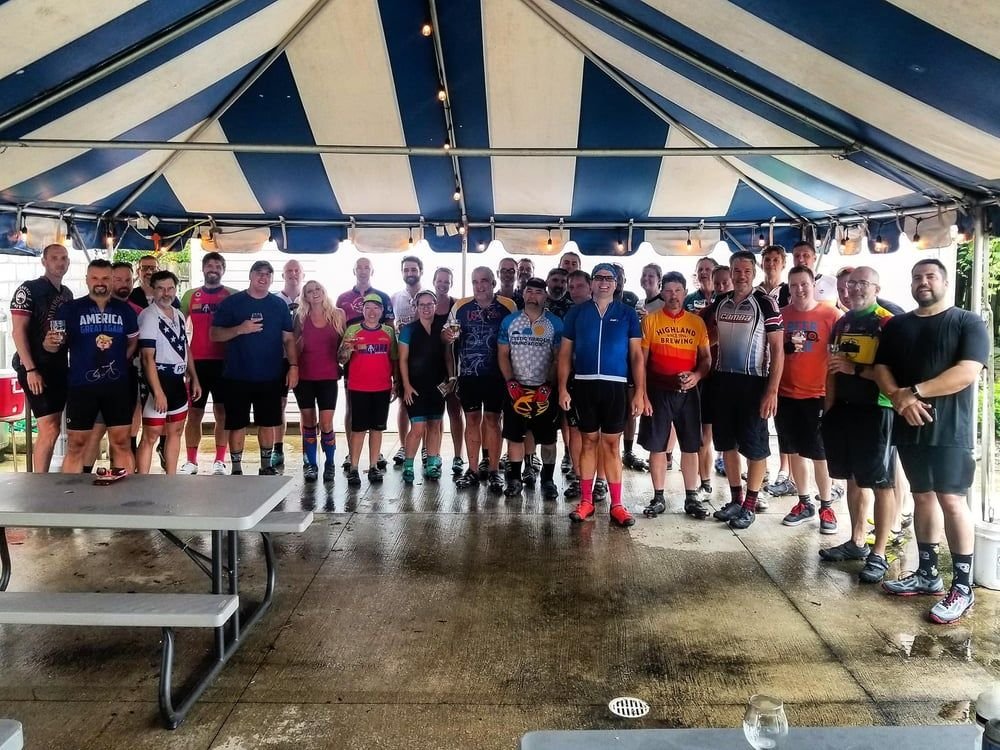
When people think about mountain bike trails, they usually think about the riders. But trails also affect the towns, parks and neighborhoods around them. Across the country, communities have come to see well-built trail systems as assets: places for residents to be active outdoors, reasons for visitors to stop and spend time in town, and projects that bring volunteers together.
Here in the Mahoning Valley, that conversation is happening right now. In 2026, Girard city officials visited the Lake Milton trails and began evaluating whether a trail could work at the Girard Lakes property. This article looks at the main ways trails benefit communities, with examples from our own region.
1. Close-to-Home Outdoor Recreation
The most direct benefit is simple: people have a place to ride, walk and explore in the woods without driving hours to find it. Local trails make it easier for residents to build outdoor activity into a normal week, whether that is a quick after-work loop or a weekend family outing.
Mountain biking also appeals to people who do not enjoy team sports or gyms. It can be social or solitary, relaxed or intense, and it works for a wide range of ages and abilities. Trails that include easier sections, like much of the singletrack at Lake Milton State Park, give beginners and kids a welcoming place to start. Our beginner's guide shows how approachable the sport can be.
2. Physical and Mental Well-Being
Time outdoors and regular physical activity are widely recognized as good for both body and mind. Riding a bike on trails combines both: an aerobic workout, balance and coordination practice, and time among trees, streams and wildlife. Many riders say the focus needed on singletrack is one of the best ways they know to clear their heads.
Trails are also free to use once they are built, which makes them one of the more accessible ways for people to be active outside.
3. Visitors and Local Spending
Trails draw people from outside the immediate area. Riders often drive from neighboring counties or other states to ride a well-known trail, and while they are in town they buy gas, eat at restaurants, shop at local stores and sometimes stay overnight.
This came up during Girard's discussions about a possible trail. According to coverage in the Tribune Chronicle, a presenter at a May 2026 council meeting explained that a mountain bike trail does not generate revenue directly, but visitors who come to ride spend money in other ways and bring more riders through word of mouth. After the council's visit to Lake Milton, The Vindicator reported that officials were told many Lake Milton riders come from Trumbull County and from out of state.
Every community is different, and the economic effect of a trail depends on its size, quality and nearby services. But trails are one more reason for people to choose your area for a day trip or weekend.
4. New Life for Underused Land
Many communities own wooded or hilly parcels that are hard to use for anything else: steep slopes, old reservoir property, reclaimed land or parkland that sees few visitors. A carefully planned trail can turn that land into a recreational asset while leaving most of it wooded.
Girard's interest in its lakes property is a good example. Officials were looking for ways to make use of the land and saw trails as an option. Sustainable trail design, which we explain in How Sustainable Mountain Bike Trails Are Built, helps make sure new trails protect soil, water and vegetation rather than degrading them.
5. Volunteer Power Keeps Costs Down
Trail systems like Lake Milton are largely built and maintained by volunteers. Local officials noticed this during Girard's review: news coverage reported that the work at Lake Milton is primarily volunteer-driven and that a similar approach could keep costs to the city very low. Costs can still come up for items like parking areas or restroom facilities, and a city might pursue state or federal grants for larger projects.
Volunteer trail organizations bring more than labor. They bring experience with trail design, relationships with land managers, knowledge of safety practices and a pool of riders who care about the trail's long-term health.
6. Stronger Community Connections
Trail organizations bring together people who might not otherwise meet: riders, hikers, landowners, park staff, local businesses and elected officials. Trail work days put people side by side with shovels and rakes, working toward a shared goal. Group rides and events turn strangers into friends.
Those connections often reach beyond the trail. Riders support local shops, join clean-up efforts and advocate for parks and green space. A healthy trail community can become a real part of a region's civic life.
7. Opportunities for Young People
Mountain biking gives kids and teens a challenging, adventurous activity outdoors. Local trails make it easier for families to ride together and for young riders to build skills, confidence and independence. Trail work can also teach young volunteers about ecology, land stewardship and teamwork.
Planning Well: Common Concerns
Trails work best when communities plan for them carefully. Common concerns include:
- Unauthorized motor vehicles. Residents at Girard's meeting raised concerns about ATVs damaging trails, and officials discussed patrols as one response.
- Shared use. Trail design, signage and good etiquette help riders and walkers share space safely. See our trail etiquette guide.
- Wet weather. Trails need to be closed or avoided when muddy to prevent damage, a point also raised in Girard's discussions. Read why wet trails matter.
- Long-term maintenance. A trail needs a group committed to caring for it year after year.
How RBRTC Helps
Rust Belt Revival Trail Coalition is a volunteer IMBA chapter that builds, maintains and advocates for mountain bike trails in the Youngstown area. We work at Lake Milton and Beaver Creek State Parks and are glad to share what we have learned with communities exploring new trails. You can read the latest on the Girard project in Girard Explores a Mountain Bike Trail at Girard Lakes.
If you believe in what trails can do for our region, the best way to help is to get involved: join us, come to a trail day or donate to support the work.
Summary
Mountain bike trails give residents close-to-home recreation, support health and well-being, bring visitors who spend money locally, put underused land to good use and build community through volunteering. With careful planning and a committed volunteer group, a trail can become a lasting asset for a town or park, as communities around the Mahoning Valley are discovering.
Ride With Us, Build With Us
Rust Belt Revival Trail Coalition is a volunteer IMBA chapter that builds and maintains mountain bike trails near Youngstown, Ohio. Join a trail day, become a member or follow along in our Facebook group.