Mountain Bike Trail Etiquette: How to Share the Singletrack
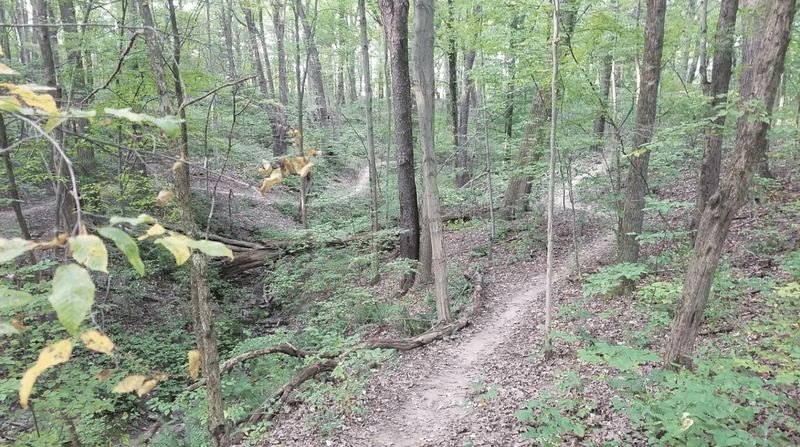
Most trails in Northeast Ohio are shared. On any given ride you might meet other mountain bikers going the other way, hikers, trail runners, families with dogs and, on some park trails, people on horseback. Good trail etiquette keeps everyone safe, keeps encounters friendly and, just as importantly, helps keep trails open to bikes in the first place.
Land managers decide whether mountain biking is allowed on public land. Every rude pass, skidded corner or illegal shortcut makes that decision harder for the volunteers who work to open and maintain trails. The good news is that trail etiquette is simple.
The Rules of the Trail
The International Mountain Bicycling Association (IMBA), which Rust Belt Revival Trail Coalition is a chapter of, publishes a short code of conduct known as the Rules of the Trail. In plain language, the six principles are:
- Ride open trails only. Respect closures and signs, ride only where bikes are allowed and never create new trails or shortcuts.
- Leave no trace. Stay on the existing trail, avoid riding when the trail is soft and muddy, and pack out everything you bring in.
- Control your bicycle. Ride at a speed that lets you stop for whatever may be around the next corner.
- Yield appropriately. Let others know you are coming, slow down when passing and yield according to trail signs and common practice.
- Never scare animals. Give wildlife, pets and horses plenty of room and time to adjust to you.
- Plan ahead. Know your equipment, your abilities and the area, and be prepared for changes in weather and conditions.
The rest of this guide explains how those principles work on local trails.
Who Yields to Whom?
On multi-use trails, the common standard is:
- Mountain bikers yield to hikers and runners. Slow down, say hello and step off to the side if needed.
- Everyone yields to horses. Horses can spook at fast-moving or silent bikes. Stop, move to the downhill side if you can, and talk calmly so the horse recognizes you as a person. Ask the rider how they would like you to pass.
- Riders heading downhill yield to riders climbing, unless the trail is signed one-way or downhill-only. Climbing riders are working hard and may struggle to restart on a steep slope.
In practice, yielding is about being courteous rather than winning. If the climbing rider waves you through or a hiker steps aside and smiles, thank them and pass carefully.
Follow directional signs
Some trails, or sections of trails, are built for one direction of travel. Directional trail reduces head-on meetings on blind corners and lets features flow the way they were designed. Always follow direction arrows and signs, even if you prefer riding the other way.
How to Pass Other Trail Users
- Announce yourself early and kindly. A friendly "Hi, bike behind you!" works better than a sudden bell right at someone's back.
- Tell them how many are in your group so they do not step back onto the trail into the next rider.
- Slow to walking speed when passing people on foot.
- Pass only where it is safe, and never force someone off the trail.
- Say thanks. A little friendliness goes a long way toward good relationships between user groups.
If a faster rider comes up behind you, let them by at the next safe spot. You do not need to jump into the bushes. Just slow down, move to one side where the trail is wide enough, and let them know when it is clear.
Stay on the Trail
Riding around a puddle, cutting the inside of a switchback or making a new line around a log may seem harmless, but those small detours add up. They widen trails, kill the plants that hold soil in place, create erosion channels and turn narrow singletrack into wide, muddy paths.
- Ride through puddles, not around them. If a trail is so wet that you want to avoid the puddles, it is probably too wet to ride.
- Do not skid. Locking up your rear wheel digs ruts, especially into corners. Brake earlier and smoother instead.
- Never build unauthorized features or trails. Talk to the local trail organization if you have ideas. Most are happy to hear from volunteers.
We cover wet trails in more depth in Should You Ride Muddy Trails?
Riding in Groups
Group rides are one of the best parts of mountain biking, but a big group can overwhelm a narrow trail.
- Keep groups to a manageable size, or split into smaller groups with some space between them.
- Regroup at wide spots, trailheads or intersections, not in the middle of the trail or on a blind corner.
- When you meet other users, let them know how many riders are behind you.
- Keep the noise and speed reasonable near other people.
Dogs, Wildlife and Headphones
If you ride with a dog, follow the park's leash rules and make sure your dog is under control around other users and wildlife. Always pack out waste.
Give wildlife space and never chase animals. If you ride with headphones, keep the volume low or use one earbud so you can hear others approaching and hear someone ask to pass.
Pack It In, Pack It Out
Take all your trash home, including energy gel wrappers, broken parts and old tubes. If you see litter, grab it if you can. It is a small act that helps keep trailheads and woods clean for everyone.
Respect Closures
Trails close for a reason: wet conditions, active trail construction, logging, hunting activity or safety issues. When a trail is closed, ride somewhere else. Riding through a closure puts you at risk, damages fresh work and undermines the trust between riders and land managers that keeps trails open.
RBRTC posts trail updates in our Facebook group. It is the fastest way to know whether Lake Milton or Beaver Creek is open and rideable.
Give Back to the Trails You Ride
The trails you ride exist because volunteers built them and keep them in shape. The best etiquette of all is to give some of that effort back: join a trail work day, report downed trees or problems, and support the organization that looks after your local singletrack. Our volunteer guide explains what a trail day looks like, and you can join RBRTC to stay involved.
Summary
Ride only open trails, stay on the tread, control your speed, yield to hikers and horses, let climbers go first, pass kindly and pack out what you bring. Follow directional signs, respect closures and keep groups manageable. None of it is complicated, and all of it helps keep mountain biking welcome on the trails we love.
Ride With Us, Build With Us
Rust Belt Revival Trail Coalition is a volunteer IMBA chapter that builds and maintains mountain bike trails near Youngstown, Ohio. Join a trail day, become a member or follow along in our Facebook group.