Your First Trail Work Day: A Volunteer's Guide
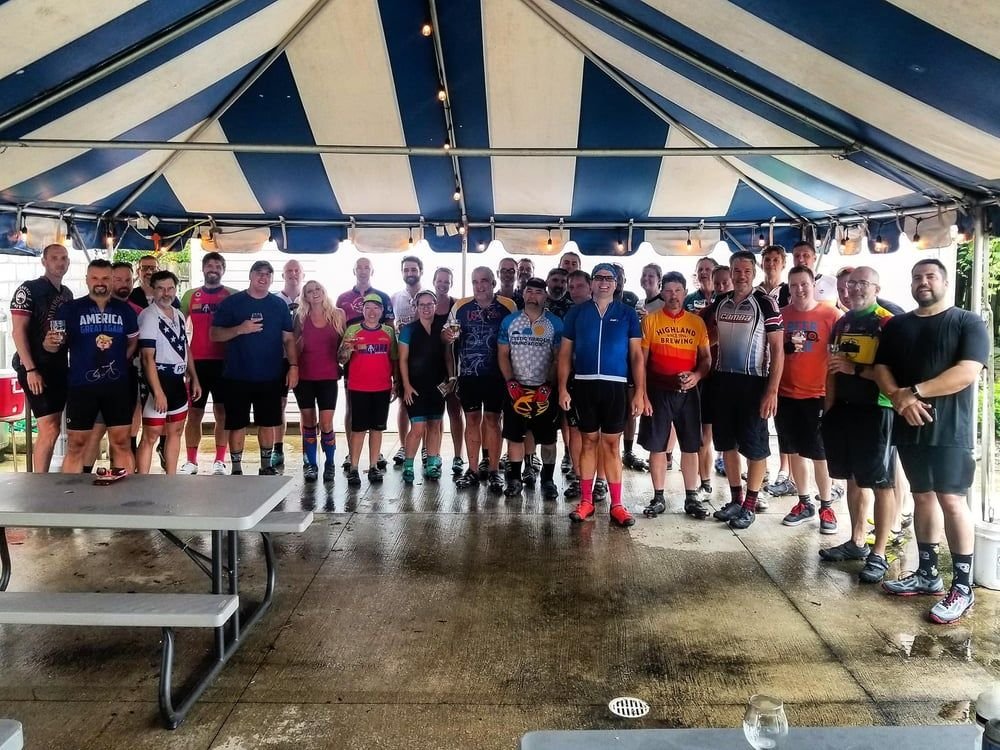
Every mile of singletrack you ride was shaped by someone with a tool in their hands. In the Youngstown area, most of that work is done by volunteers with Rust Belt Revival Trail Coalition (RBRTC), who build new trail and keep existing trail rideable at Lake Milton State Park and Beaver Creek State Park.
If you have never been to a trail work day, it is natural to wonder what happens, whether you need experience and what you should bring. This guide answers those questions so you can show up confident on your first day.
Do I Need Experience?
No. Trail days are designed for volunteers of all experience levels. Crew leaders explain the tasks, show you how to use the tools safely and pair new volunteers with people who have done it before. Many regular volunteers learned everything they know on the job. You do not need to be a strong rider either. Plenty of trail volunteers are hikers, runners and neighbors who simply like having good trails nearby.
What Happens at a Trail Day
Every organization runs its work days a little differently, and the plan depends on what the trail needs. A typical trail day looks something like this:
- Meet at the trailhead at the posted start time. Volunteers check in, and the crew leader describes the day's goals.
- Safety briefing. You will hear how to carry and use tools, how to space yourself from other workers and what to do if someone gets hurt.
- Walk or ride to the work site, carrying tools and materials.
- Work in small groups on specific tasks, with breaks for water and snacks.
- Clean up and wrap up. Tools come back out of the woods, and the crew often finishes with a quick recap or a ride.
Most trail days last a few hours. You can often come for part of the day if that is all you have, but check with the organizer first so they know when to expect you.
Common Trail Work Tasks
Clearing and brushing
Plants grow fast in Ohio summers. Brushing means cutting back branches and vegetation that crowd the trail corridor. Clearing means removing fallen trees and limbs after storms. Chainsaw work is handled only by trained and authorized sawyers; volunteers help by moving cut pieces off the trail.
Drainage repair
Water is the biggest enemy of any trail. Volunteers clean out drains, rebuild grade reversals and restore the slight outward slope that lets water run off the tread instead of down it. You can read more about why this matters in How Sustainable Mountain Bike Trails Are Built.
Tread repair
Ruts, holes and exposed roots are filled and packed with mineral soil. Berms that have been pushed out by riders are rebuilt and compacted.
New trail construction
When a new section is approved and flagged, crews cut the new tread into the hillside. This includes removing leaf litter and organic soil, cutting the bench into the slope and shaping and compacting the surface. New trail building is some of the most rewarding work, because you can ride what you built.
Armoring and features
In wet spots or on steep sections, volunteers may place rock or build small bridges and boardwalks. These projects usually require planning and approval, so they are led by experienced crew members.
Tools You Might Use
- McLeod: a combination rake and hoe used to shape and compact tread.
- Pulaski: an axe blade and grubbing hoe on one handle, used for cutting roots and digging.
- Fire rake: for clearing leaf litter and debris.
- Loppers and hand saws: for brushing and small limbs.
- Shovels and pick mattocks: for moving and loosening soil.
- Tamper: for compacting soil in repairs.
Organizers usually provide shared tools. If you have your own gloves or loppers, bring them along.
What to Wear and Bring
- Sturdy, closed-toe shoes or boots. Trail tools and rocky ground are not kind to sneakers or sandals.
- Long pants to protect against brush, poison ivy and ticks.
- Work gloves.
- Eye protection, especially for cutting and digging.
- Plenty of water and a snack or lunch.
- Weather layers, a rain jacket and sunscreen.
- Bug spray. After a day in the woods, check yourself for ticks.
- Your bike, if you want to ride afterward.
Safety on the Work Site
- Keep at least two tool lengths between yourself and other workers.
- Carry tools at your side with the sharp edge pointed down, never over your shoulder.
- Do not leave tools lying on the trail where someone could trip over them.
- Lift with your legs, and ask for help with heavy rocks or logs.
- Pace yourself, drink water and take breaks. Trail work is a workout.
- Tell the crew leader about any allergies, medical conditions or injuries.
How to Find a Trail Day with RBRTC
RBRTC announces trail work days in our Facebook group, and upcoming events are listed on our Events page. Past work days have included dedicated trail days at Lake Milton. When you see a date that works for you, let the organizer know you are coming, arrive a few minutes early and introduce yourself.
If you cannot make a scheduled work day, there are other ways to help:
- Report fallen trees, washouts or other trail problems in the Facebook group, with a location if you can.
- Pick up litter when you ride.
- Avoid riding wet trails. See why that matters.
- Become a member or donate to help pay for tools and materials.
Why Volunteer?
Trail work gives back to the trails you enjoy, but volunteers also say they get a lot out of it personally. You learn how trails are designed and why they ride the way they do. You meet other riders and make friends. You get a good workout outdoors. And there is real satisfaction in riding a section of trail a few weeks later and knowing you helped build it.
Local officials have noticed, too. When Girard city leaders visited Lake Milton in 2026 to learn about mountain bike trails, they highlighted that the work there is done by volunteers. You can read about that in Girard Explores a Mountain Bike Trail at Girard Lakes.
Summary
You do not need experience to volunteer on a trail day. Bring sturdy shoes, long pants, gloves, eye protection and water; listen to the safety briefing; and expect to brush, clear, fix drainage or build new tread alongside friendly, experienced volunteers. Check our Events page and Facebook group for the next trail day, and come help keep the Youngstown area's trails great.
Ride With Us, Build With Us
Rust Belt Revival Trail Coalition is a volunteer IMBA chapter that builds and maintains mountain bike trails near Youngstown, Ohio. Join a trail day, become a member or follow along in our Facebook group.