How Sustainable Mountain Bike Trails Are Built
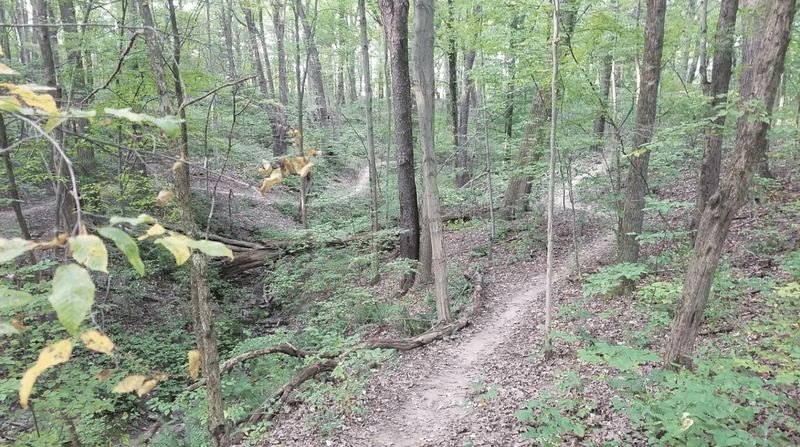
Some trails stay smooth and fun for years with only light maintenance. Others turn into rutted gullies after a couple of wet seasons. The difference usually is not the amount of traffic. It is how the trail was designed and built.
Modern mountain bike trail building is based on a set of principles often called sustainable trail design. Many of them were popularized by the International Mountain Bicycling Association (IMBA) and are now used by trail builders, park agencies and volunteer groups across North America. This article explains the key ideas in plain language, so riders understand why trails are shaped the way they are.
What Makes a Trail Sustainable?
A sustainable trail is one that:
- Sheds water instead of collecting it or channeling it down the tread.
- Holds its shape under normal use with modest maintenance.
- Fits the land and has minimal impact on plants, wildlife and water quality.
- Provides the riding experience it was designed for, whether that is a mellow beginner loop or a technical descent.
In short, a sustainable trail works with gravity and water rather than against them.
Water: The Trail Builder's Main Concern
Almost every trail design principle comes back to water. Rain that runs along a trail picks up speed and carries soil away. Water that pools on a flat trail softens the tread and turns it into mud. The goal is to get water off the trail frequently, in small amounts, before it can do damage.
Key Design Principles
Avoid the fall line
The fall line is the path water takes straight down a hill. Trails that run straight down the fall line become natural channels for water and erode quickly. Sustainable trails instead run across the slope, following the contours of the hillside and gaining or losing elevation gradually.
The half rule
A widely used guideline is that a trail's grade should be no more than half the grade of the hillside it crosses. If the hillside slopes at 20 percent, the trail running across it should be no steeper than about 10 percent. This keeps the trail from acting like a fall-line channel even when it climbs.
Keep average grades moderate
Another common guideline is that an average trail grade of around 10 percent or less tends to be the most sustainable over the length of a trail. Short steeper pitches are possible, especially on rock or well-drained soil, but long steep sections are much harder to maintain.
Grade reversals
A grade reversal is a short section where a climbing trail briefly dips down before climbing again, or a descending trail briefly rises. At each low point, water is forced to leave the trail. Frequent grade reversals built into the design are one of the most effective ways to prevent erosion. They also add rhythm and flow to the ride.
Outslope
Many trail tread surfaces are built with a slight tilt toward the downhill side, called outslope. It lets water sheet off the edge of the trail rather than running down the middle. Over time, riders and soil movement can create a raised lip on the outside edge, called berming, that traps water. Removing that lip is a common maintenance task.
Avoid flat, low ground
Trails across flat, poorly drained ground tend to hold water. Designers try to route trails on slightly sloping ground where water can drain, and cross wet areas with bridges, boardwalks or hardened surfaces when they cannot be avoided.
How a Trail Is Built
Planning and approval
New trail on public land starts with the land manager. Volunteer organizations such as RBRTC work with agencies like Ohio State Parks to propose routes, identify sensitive areas and get approval before any digging begins.
Flagging the route
Builders walk the land and mark the proposed route with flags, checking grades with a clinometer and adjusting to avoid wet areas, steep fall-line sections and important trees or plants. Good flagging is the foundation of a good trail.
Clearing the corridor
Crews clear a corridor wide and tall enough for riders, removing brush and small trees while leaving larger trees where possible. Trees next to the trail often become natural turning points and "gates" that control speed.
Cutting the bench
On a hillside, builders dig a "bench" into the slope. They remove leaf litter and the dark, organic topsoil, which stays soft and holds water, until they reach firmer mineral soil. A full bench cut, where the entire tread sits on solid ground cut into the hill, is much more durable than trail built on loose fill.
Shaping and compacting
The tread is shaped with the right outslope, grade reversals are formed and the soil is compacted with tools and tampers. Loose soil is spread away from the trail rather than piled at the edge, where it could trap water.
Turns, berms and features
Turns are one of the most carefully designed parts of a trail. On gentle slopes, climbing turns can work. On steeper ground, builders use switchbacks with a flatter landing. Berms, banked turns that let riders carry speed, need careful drainage at the bottom so water does not pool inside the turn. Features such as rock gardens, rollers and log rides are built to be solid and predictable, with clear lines.
Maintenance Never Stops
Even the best-built trail needs care. Leaves fill drains, storms drop trees, riders push dirt around in turns and plants grow into the corridor. Regular maintenance includes clearing drains, restoring outslope, repairing berms, filling ruts and brushing. That is why local trail organizations rely on volunteers. Our trail work day guide explains how you can help.
How Riders Protect Trails
Good design only goes so far. Rider behavior matters too:
- Stay off soft, muddy trails. Wet tread is easily rutted. See Should You Ride Muddy Trails?
- Do not skid. Skidding digs up the tread, especially before and in corners.
- Ride through puddles, not around them. Riding around widens the trail.
- Do not cut corners or build unauthorized lines. Work with your local trail group instead.
Our trail etiquette guide has more on riding responsibly.
Sustainable Trails in the Youngstown Area
At Lake Milton State Park, you can see many of these principles in action: turns built into berms, sections cut into hillsides, and a trail that constantly rises and falls instead of running straight down slopes. At Beaver Creek State Park, steeper terrain makes drainage and careful routing even more important.
If you want to learn trail building hands-on, there is no better classroom than a volunteer work day. Check our Events page and Join Us page to get involved.
Summary
Sustainable trails follow the contour of the land instead of the fall line, keep grades moderate, use the half rule, shed water through frequent grade reversals and outslope, and are built on compacted mineral soil. Careful planning with land managers, skilled construction and ongoing maintenance keep them fun for years, and riders help by staying off wet trails and riding responsibly.
Ride With Us, Build With Us
Rust Belt Revival Trail Coalition is a volunteer IMBA chapter that builds and maintains mountain bike trails near Youngstown, Ohio. Join a trail day, become a member or follow along in our Facebook group.