What to Bring on a Mountain Bike Ride: The Essentials
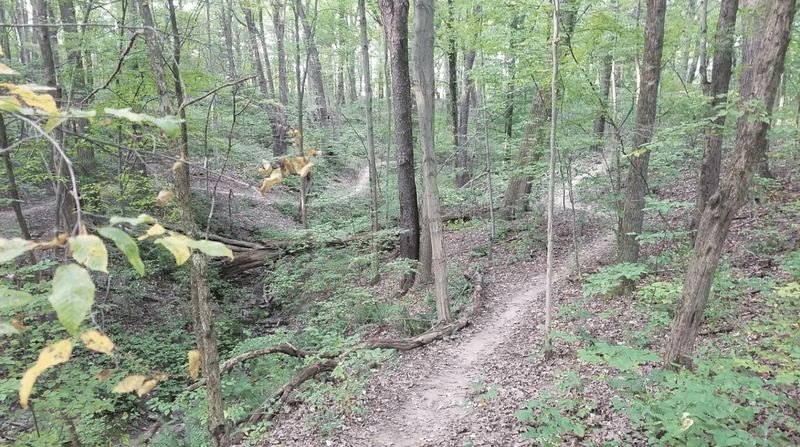
You do not need a giant backpack for a local trail ride, but a few small items can turn a ride-ending problem into a five-minute fix. A flat tire, a loose bolt or a bonk from skipping lunch are the most common reasons riders end up walking back to the car.
This list covers what to carry on typical rides at trails like Lake Milton State Park and what to add for longer or more remote rides like Beaver Creek State Park.
What to Wear
- Helmet. Non-negotiable. Make sure it fits snugly and is not damaged or very old.
- Gloves. Better grip on the bars and skin protection if you fall.
- Eye protection. Sunglasses or clear lenses keep out branches, bugs, dust and mud.
- Moisture-wicking clothes. Synthetic or wool layers dry faster than cotton.
- Shorts or pants that will not snag. Many riders like padded liner shorts for comfort.
- Proper shoes. Grippy flat-soled shoes for flat pedals, or cycling shoes with cleats for clipless pedals.
- Optional pads. Knee pads are popular on technical trails and add confidence while you learn.
The Essentials: Carry These Every Ride
Water
Bring more than you think you need, especially on humid summer days when Ohio woods feel like a sauna. A bottle on the frame works for short rides; a hydration pack or hip pack holds more for longer ones.
Flat repair kit
- A spare tube that fits your tire size and valve type, even if you run tubeless.
- Tire levers.
- A mini pump or CO2 inflator with a spare cartridge.
- For tubeless setups, a tire plug kit.
- A tire boot or patch for sidewall cuts.
Multi-tool
A good multi-tool with the hex keys and Torx bits your bike uses lets you tighten a loose stem, adjust a brake lever or fix a slipping seatpost. Many include a chain breaker, which is useful if you break a chain.
Quick link
A spare chain quick link that matches your chain's speed rating weighs almost nothing and can save a ride if your chain breaks.
Phone
For maps, emergencies and trail photos. Download the trail map before you go in case signal is weak. Trail apps can show your location on the trail network.
Food
An energy bar, gel or small snack helps on longer rides and prevents the shaky, empty feeling that comes from running out of fuel.
ID and a little cash or a card
Carry identification and an emergency contact in case something goes wrong.
For Longer or Remote Rides, Add
- A small first-aid kit: bandages, gauze, tape, antiseptic wipes and any personal medications.
- Extra water and food.
- A light layer or rain jacket. Weather can change quickly, and a stop in wet clothes gets cold fast.
- A derailleur hanger for your specific bike. A bent or broken hanger can end a ride.
- Zip ties and a bit of tape. Surprisingly useful for trailside fixes.
- A light if there is any chance you will be out near dusk, especially in fall and winter.
- A whistle to signal for help.
Seasonal Extras
Summer
- Sunscreen for exposed sections.
- Insect repellent. Check for ticks after every ride.
- Electrolyte drink mix for hot, humid days.
Fall and winter
- Full-finger insulated gloves and a thin hat under your helmet.
- Layers you can add or remove.
- Bright clothing during hunting seasons in parks where hunting is allowed.
- Lights for short days.
Read more in our fall and winter riding guide.
How to Carry It All
- Frame storage: bottle cages, frame bags, tool straps and in-frame storage on some newer bikes.
- Saddle bag: a small bag under the seat for a tube and levers.
- Hip pack: popular for short-to-medium rides; keeps weight low and your back cool.
- Hydration pack: best for long rides or hot days when you need more water and gear.
Whatever you choose, make sure items do not rattle or bounce loose on rough trail.
What to Leave Behind
- Trash. Pack out everything you bring, including gel wrappers and old tubes.
- Loud speakers. Other trail users may not share your playlist, and you need to hear people approaching.
- Glass containers. Broken glass on a trail is dangerous to riders and animals.
Before You Leave the Car
Pair your packing routine with a quick bike check. Our 10-point pre-ride checklist covers tires, brakes, wheels and bolts. And do not forget to check trail conditions in the RBRTC Facebook group before you drive out. Muddy trails should be skipped; see why.
Printable Checklist
| Every ride | Longer rides | Seasonal |
|---|---|---|
| Helmet, gloves, glasses | First-aid kit | Sunscreen, bug spray |
| Water | Extra water and food | Warm layers, hat |
| Spare tube, levers, pump | Rain jacket | Bright colors in hunting season |
| Multi-tool, quick link | Derailleur hanger | Lights for short days |
| Phone with offline map | Zip ties and tape | Electrolytes in summer |
| Snack, ID | Whistle, light |
Riding with Kids or a Group
When you ride with children or lead a group, you become the support crew. A little extra gear goes a long way:
- Spare tubes in every size the group uses. Kids' bikes often have different wheel sizes and valve types from adult bikes.
- More snacks and water than seems necessary. Young riders run out of energy suddenly, and a snack break can turn a tough moment around.
- A basic first-aid kit with plenty of bandages for scraped knees and elbows.
- A plan for shortcuts back to the car, in case someone gets tired or the weather turns.
On group rides, agree on regroup points before you start and make sure at least one person carries a pump and tools that fit everyone's bikes.
Frequently Asked Questions
Do I really need a spare tube if I run tubeless tires?
Yes. Plugs fix most small punctures, but a large cut or a damaged valve can still leave you stranded. A tube is the backup that gets you home.
Is a hydration pack better than bottles?
Neither is better for everyone. Bottles keep weight off your back and are easy to clean. Packs carry more water and gear. Many riders use a bottle for short local loops and a pack for long or hot rides.
How much water should I bring?
It depends on the heat, humidity, ride length and how much you sweat. Bring enough that you finish with some left over, and drink regularly rather than waiting until you are thirsty.
Summary
For a typical local ride, carry water, a spare tube and inflation, tire levers or plugs, a multi-tool, a quick link, a snack, ID and your phone, and wear a helmet, gloves and eye protection. Add first aid, extra food and water, a rain layer and a light for longer or remote rides. Pack it out, check your bike and the trail conditions, and enjoy the ride. New to the sport? Start with our beginner's guide.
Ride With Us, Build With Us
Rust Belt Revival Trail Coalition is a volunteer IMBA chapter that builds and maintains mountain bike trails near Youngstown, Ohio. Join a trail day, become a member or follow along in our Facebook group.