Fall and Winter Mountain Biking in Ohio: Tips for Cold-Weather Riding
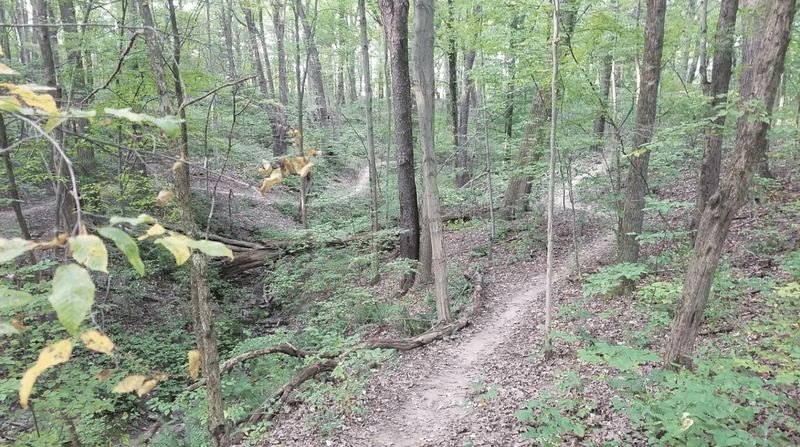
Fall is one of the best times of year to ride in Northeast Ohio. The bugs are gone, the air is cool and the woods turn gold and red. Winter can be great too, on the right days. But the colder months also bring challenges: leaf-covered trails, short days, freeze-thaw mud and hunting seasons in some parks.
These tips will help you keep riding safely through fall and winter while protecting the trails you depend on the rest of the year.
Fall Riding
Leaves hide what is underneath
A carpet of fallen leaves looks beautiful but can hide roots, rocks, holes and the edge of the trail. Wet leaves are also slippery, especially on roots, bridges and off-camber sections.
- Slow down, especially on trails you do not know well.
- Brake earlier and more gently before turns.
- Look for the line of compressed leaves or the slight dip that marks the trail's edge.
- Be extra careful on wooden bridges and boardwalks, which get slick when wet.
Shorter days
Daylight disappears quickly in October and November, and it gets dark in the woods well before sunset. Plan to finish early, carry a light if there is any chance you will be late, and tell someone when you expect to be back.
Changing temperatures
A fall ride might start cold and warm up quickly once you are climbing. Dress in layers you can remove and stuff into a pack, and bring a layer for stops so you do not get chilled.
Hunting Season Safety
Hunting is allowed in designated areas of some Ohio state parks and on many public lands during fall and winter. For example, Ohio State Parks notes that hunting is permitted in designated areas of Beaver Creek State Park, with many of those areas opening on October 15. Rules differ from park to park and change from year to year, so check with the park office or ODNR before you ride.
- Wear bright colors, ideally blaze orange, on your body and helmet or pack.
- Stay on marked trails.
- Make some noise in quiet areas so people know you are there.
- Avoid dawn and dusk during busy seasons, when hunting activity is often highest.
- Keep dogs visible with a bright vest, and follow leash rules.
Winter and the Freeze-Thaw Cycle
The biggest trail issue in an Ohio winter is not snow. It is the freeze-thaw cycle. On a cold morning, the ground can be frozen solid and ride fast and smooth. As the sun warms the surface, the top layer thaws while the ground beneath stays frozen. Water cannot drain down, and the trail surface turns to sticky mud.
Riding a thawing trail causes deep ruts that freeze into place and damage the tread for the rest of the season. To avoid that:
- Ride early on cold mornings when the ground is frozen hard.
- Head home if the surface starts getting soft or sticky.
- Skip days hovering just above freezing after a hard freeze, when trails are often at their worst.
- Check recent trail reports before you drive.
Our article Should You Ride Muddy Trails? explains why soft trails are so easily damaged.
Snow Riding
Light snow on frozen ground can make for fun, quiet rides. Deeper snow is a different sport, often best on fat bikes with very wide tires at low pressure. If you ride in snow:
- Follow any local guidance about snow riding and grooming on the trails you use.
- Avoid riding if you are leaving deep ruts or if the snow is melting into slush over soft ground.
- Watch for ice, especially on bridges, rocks and shaded descents.
How to Dress for Cold Rides
- Base layer: a moisture-wicking synthetic or wool layer next to your skin.
- Insulating layer: a light fleece or insulated top, depending on temperature.
- Shell: a wind- and water-resistant jacket.
- Legs: tights or insulated riding pants.
- Hands: insulated full-finger gloves. Cold hands make braking and shifting harder.
- Head: a thin cap or headband under your helmet.
- Feet: wool socks and, if you ride clipless, winter shoes or shoe covers.
Start the ride slightly cool. If you are warm in the parking lot, you will overheat on the first climb and then get cold from the sweat.
Getting Your Bike Ready
- Check tires: a bit lower pressure improves grip on leaves and cold ground.
- Make sure brakes are in good shape; wet, gritty conditions wear pads faster.
- Clean and lube your chain more often in wet weather.
- Consider fenders for sloppy days.
- Charge lights and carry them.
Run through our pre-ride checklist before each ride and pack the items from What to Bring on a Mountain Bike Ride.
Extra Safety for Cold Weather
- Ride with a friend or share your plans. A small injury is more serious when it is cold and getting dark.
- Carry an extra warm layer for stops or emergencies.
- Drink water even if you do not feel thirsty. Cold air is dry, and you still sweat.
- Keep your phone warm in an inside pocket; cold drains batteries quickly.
Make the Most of the Off-Season
When the trails are too soft to ride, the off-season is a good time to:
- Service your bike or book a shop tune-up.
- Build strength and fitness for spring.
- Work on skills in a parking lot or at a pump track.
- Learn about trail building. Read How Sustainable Mountain Bike Trails Are Built.
- Get involved with RBRTC. Fall trail days help clear leaves and storm damage, and planning for spring projects happens over the winter. Check the Events page and Join Us.
Frequently Asked Questions
Are the trails open in winter?
Trails in Ohio state parks are generally open year-round unless a closure is posted, but being open does not mean they are rideable. Frozen or dry days can be excellent; thawing or muddy days should be skipped. Check the RBRTC Facebook group for current conditions.
Do I need a fat bike to ride in winter?
No. A regular mountain bike works well on frozen, dry trails and light snow. Fat bikes make riding in deeper snow possible, but they are not required for most winter days.
What is the best time of day to ride in winter?
On cold, sunny days, mornings are usually best, while the ground is still frozen. By afternoon, sun-exposed sections may begin to thaw.
Summary
Fall and winter riding in Ohio can be excellent if you adapt. Slow down on leaf-covered trails, plan for early darkness, wear bright colors during hunting seasons and check park hunting rules, ride frozen trails early and head home when they start to thaw, and dress in layers. Most importantly, skip soft, muddy days so the trails survive until spring. Follow the RBRTC Facebook group for condition updates all year round.
Ride With Us, Build With Us
Rust Belt Revival Trail Coalition is a volunteer IMBA chapter that builds and maintains mountain bike trails near Youngstown, Ohio. Join a trail day, become a member or follow along in our Facebook group.